Solar incentives, including federal tax credits (e.g., 30% ITC), state grants, rebates, and net metering, significantly reduce upfront costs and long-term energy bills. Understanding and navigating these incentives, varying by location, is crucial for maximizing savings and promoting clean energy adoption. Strategic planning and staying informed ensure optimal financial benefits.
With the growing emphasis on sustainable energy solutions, solar power has emerged as a viable option for consumers worldwide. However, navigating the complex landscape of solar incentives can be a significant hurdle for many prospective adopters. This practical guide aims to demystify the world of solar incentives, providing an authoritative overview that equips consumers with the knowledge necessary to make informed decisions about their energy choices. By exploring various incentive programs, financial benefits, and policy frameworks, this article serves as a comprehensive resource, enabling readers to harness the power of solar energy efficiently and effectively.
Understanding Solar Incentives: An Overview for Consumers

Solar incentives have emerged as a powerful driver for consumers to embrace clean energy, offering significant financial benefits and contributing to a sustainable future. Understanding these incentives is crucial for anyone considering solar power adoption. This practical guide aims to demystify solar incentives, focusing on how borrowers can navigate this landscape and unlock substantial savings.
The primary incentive revolves around the reduction of upfront costs. Many governments and utilities provide rebates or grants that directly offset the expense of installing solar panels. For instance, in 2022, the U.S. Department of Energy reported an average rebate of $2,380 for residential solar installations, with some states offering even more substantial incentives. These financial boosts make solar energy more accessible, encouraging consumers to take action. Moreover, borrowers should explore tax credits, which can be applied against the cost of solar systems, effectively reducing the overall price tag.
Solar incentives also manifest in long-term savings through net metering policies. This mechanism allows homeowners and businesses to feed excess electricity generated back into the grid, earning credits that offset future energy bills. A study by the National Renewable Energy Laboratory found that net metering can reduce a solar borrower’s annual energy costs by an average of 20%. Additionally, some utilities offer time-of-use pricing, where borrowers pay lower rates during off-peak hours, further enhancing savings. Understanding these policies and their specific implications for individual utility accounts is essential for maximizing the benefits of solar incentives.
Benefits of Solar Power: Unlocking Savings with Solar Incentives

Solar power offers more than just a sustainable energy solution; it’s also a powerful tool for consumers to unlock significant savings. The benefits of embracing solar energy are multifaceted, with one of the most compelling advantages being the various solar incentives available to borrowers. These incentives, designed to promote renewable energy adoption, can substantially reduce the upfront costs of installing solar panels, making clean energy more accessible and affordable than ever before.
One of the primary forms of solar incentive is tax credits. The federal Solar Tax Credit, for instance, allows homeowners to deduct a substantial portion (up to 26%) of their solar system’s cost from their taxable income. This credit has been instrumental in driving down the net cost of solar installations, making them an increasingly attractive option for borrowers looking to save on energy expenses. State-level incentives further enhance these savings, with many offering grants, rebates, or low-interest loans specifically tailored to residential and commercial solar adopters. For example, some states provide direct cash rebates upon system installation, effectively reducing the overall price tag of going solar.
Understanding borrower requirements is key to capitalizing on these solar incentives. While the application processes may vary across programs, most involve demonstrating eligibility through factors like income levels, property ownership status, and system size. Solar incentive borrowers should also be prepared to provide detailed documentation related to their energy consumption patterns and the expected reduction in utility bills resulting from their solar installation. By meticulously navigating these requirements, consumers can secure substantial financial benefits that contribute to a faster payback period for their solar investment.
Exploring Government Programs: Solar Incentives at the Federal Level

The federal government has recognized the potential of solar energy and its role in a sustainable future by introducing various solar incentives at the national level. These programs aim to encourage more consumers to adopt solar power, making clean energy accessible and affordable. One key aspect that attracts borrowers is the financial assistance available through these initiatives. This section delves into the federal government’s support for solar energy, providing an essential guide to understanding these solar incentives.
The United States has witnessed a significant surge in solar adoption thanks to the combination of declining technology costs and compelling federal incentives. Programs like the Investment Tax Credit (ITC) and the Federal Solar Tax Credit offer tax benefits to homeowners and businesses that install solar panels. For instance, the ITC provides a 30% tax credit for residential solar systems, with no upper limit on the size of the system. This means borrowers can significantly reduce their upfront costs, making solar a more attractive option. The solar incentives borrower requirements typically include meeting specific criteria related to system size, type, and installation completion. Ensuring these conditions are met ensures that consumers receive the intended financial support.
Moreover, the federal government offers grants and loans with favorable terms to promote solar energy projects. These programs target various entities, including homeowners, farmers, and businesses. For example, the USDA Rural Energy for America Program (REAP) provides grants and loans for renewable energy systems, including solar installations. Such initiatives not only facilitate the transition to clean energy but also stimulate local economies in rural areas. Understanding these federal solar incentives is crucial for borrowers as it empowers them to make informed decisions about their energy choices. It’s essential to research and stay updated on these programs, as eligibility criteria and benefits can change over time.
State-by-State Breakdown: Discovering Local Solar Consumer Rewards
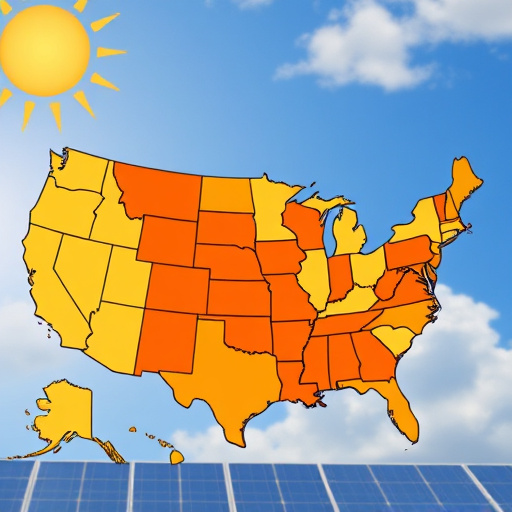
Navigating the world of solar energy involves understanding a complex web of incentives designed to encourage consumer adoption. One crucial aspect often overlooked is the variation in local solar incentives across different states. This state-by-state breakdown provides an insightful look at how consumers can unlock substantial rewards through solar power.
Each state has its own set of policies and programs that influence the financial benefits of going solar. For instance, some offer tax credits, allowing homeowners to deduct a portion of their solar system costs from their taxable income. Others may provide rebates or grants directly to consumers upon installation, significantly reducing upfront expenses. A recent study revealed that states with robust solar incentives have seen a 20% higher adoption rate compared to those without such measures. This data underscores the substantial impact local policies can have on encouraging renewable energy use.
When considering solar, borrowers should delve into their state’s specific incentive programs. These rewards naturally vary based on location and can include various forms, such as tax credits, net metering, or property-assessed clean energy (PACE) financing. For instance, California offers one of the most comprehensive packages, including a powerful tax credit and a robust net metering policy that enables homeowners to sell excess energy back to the grid. In contrast, states like New York primarily focus on utility-provided rebates and grants, which can still provide substantial savings but differ in implementation. Understanding these variations is essential for borrowers to optimize their financial returns and make informed decisions regarding solar incentives.
Rebates, Tax Credits, and More: Navigating Common Solar Incentive Offerings

Navigating Solar Incentives: Rebates, Tax Credits, and More
When considering solar power for your home or business, understanding available solar incentives can significantly reduce upfront costs. This section provides an in-depth guide to common solar incentive offerings, focusing on rebates, tax credits, and other benefits designed to make clean energy more accessible.
Rebates: Direct Cash Savings
One of the most direct forms of financial assistance are rebates, which offer immediate cash back upon installation of a solar system. These incentives vary widely by location and provider but can cover a substantial portion of installation costs. For instance, in 2022, the U.S. Department of Energy reported average rebates ranging from $1,500 to $3,000 per residential solar installation nationwide. Many states also offer additional rebates, making the initial investment even more attractive for borrowers. When evaluating solar options, ensure you inquire about available rebates tailored to your region and specific installer programs.
Tax Credits: Long-Term Financial Relief
Beyond upfront cost savings, tax credits provide a powerful long-term benefit. The federal Solar Tax Credit, also known as the Investment Tax Credit (ITC), allows borrowers to deduct 30% of qualified solar system costs from their taxable income. This credit is available for both residential and commercial installations. Additionally, many states offer state-level tax credits, further reducing your tax liability over time. Given these incentives, it’s crucial to understand borrower requirements such as timely installation completion and proper documentation to maximize your tax credit benefits.
Other Incentives: From Grants to Net Metering
Beyond rebates and tax credits, a variety of other solar incentives exist. Some states and utilities offer grants to offset the cost of solar panel systems, especially for low-income households or specific industries. Additionally, net metering policies allow solar energy producers to sell excess electricity back to their utility provider, effectively storing savings over time. While these incentives may not be as direct as rebates or tax credits, they contribute to making solar power more affordable and attractive for borrowers across diverse economic landscapes.
To maximize the benefits of these solar incentives, consumers should research local and state programs, consult with qualified solar installers, and understand specific borrower requirements associated with each incentive type. By leveraging these financial tools, consumers can make informed decisions that align with their clean energy goals while reducing upfront costs and long-term utility expenses.
Maximizing Savings: Strategies for Optimizing Your Solar Incentives

Maximizing Savings: Strategies for Optimizing Your Solar Incentives
Solar incentives have emerged as a powerful tool to encourage individuals and businesses to adopt solar energy. Understanding these incentives is crucial for borrowers looking to navigate the financial landscape of clean energy adoption. By optimizing your solar incentives, you can significantly reduce upfront costs and maximize long-term savings. One key strategy involves exploring federal tax credits, such as the Investment Tax Credit (ITC), which offers a substantial discount on the total installed cost of solar panels. For instance, in 2022, the ITC provides a 30% tax credit for residential solar installations, effectively reducing your borrowing costs.
Another essential aspect is leveraging state and local incentives. Many regions offer additional benefits like property tax exemptions, rebates, or net metering programs. These regional incentives can further enhance the financial viability of solar energy adoption. For example, California residents may be eligible for a variety of incentives, including a state income tax credit and property tax relief, making it one of the most attractive markets for solar borrowers. When considering solar, it’s important to research and combine federal and local offers to achieve maximum savings.
Borrower requirements play a significant role in accessing these benefits. Ensuring your project meets specific criteria, such as meeting certain energy efficiency standards or using qualified contractors, is essential. Solar incentives are designed to foster responsible energy choices, so adhering to these guidelines will not only secure the best financial outcomes but also contribute to sustainable practices. By staying informed about evolving incentive programs and strategically planning your solar installation, you can take advantage of these savings opportunities and enjoy a brighter, more cost-effective future.