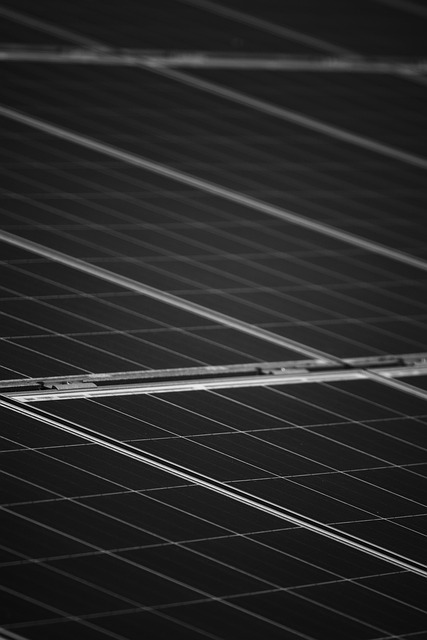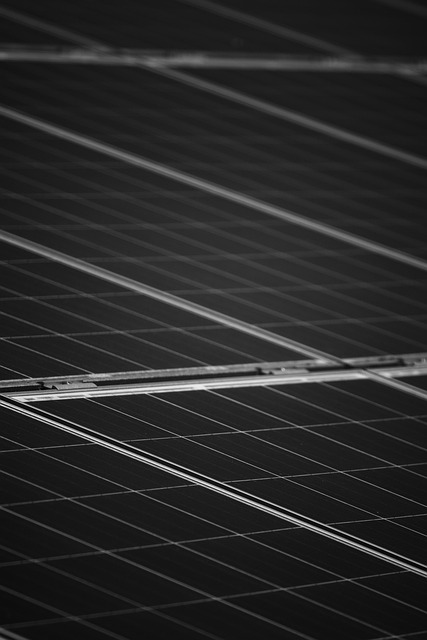
Solar incentives, including federal tax credits, state rebates, and net metering, significantly reduce upfront costs for homeowners adopting clean energy. These measures promote environmental sustainability by lowering carbon footprints and encouraging a shift away from grid electricity. Understanding eligibility criteria and strategic planning maximize financial savings while contributing to a greener future.
As homeowners increasingly seek sustainable energy solutions, understanding solar incentives has become crucial. The shift towards renewable energy sources is not just an environmental imperative but also a financial opportunity for property owners. However, navigating the complex web of incentives and rebates can be daunting. This comprehensive guide aims to demystify solar incentives, offering an in-depth exploration of available resources for homeowners looking to embrace solar power. By the end, you’ll be equipped with the knowledge to harness solar incentives naturally, making the transition to clean energy both financially prudent and environmentally responsible.
Understanding Solar Incentives: Unlocking Homeowner Benefits

Solar incentives have emerged as a powerful tool to encourage homeowners to embrace clean energy, significantly reducing their carbon footprint and utility expenses. Understanding these incentives is crucial for any borrower considering a solar panel installation. The financial benefits can be substantial, but navigating the process requires knowledge of the various schemes available. Homeowners can unlock substantial savings by taking advantage of government-backed programs, rebates, tax credits, and net metering policies associated with solar energy adoption.
One of the most well-known solar incentives is the Federal Tax Credit, which offers a fixed percentage reduction in the cost of solar panel systems. This has been instrumental in making solar power more accessible to homeowners across the country. Additionally, many states have implemented their own programs tailored to local needs and budgets. For instance, some offer rebates directly to homeowners for installing solar panels, while others provide low-interest loans specifically allocated for renewable energy projects. These state-level initiatives often mirror federal policies but may include unique features that cater to regional priorities. Homeowners should research both federal and state incentives applicable to their area to maximize potential savings.
The benefits extend further, especially when considering the long-term sustainability of solar energy. Solar incentives also encourage community-based renewable energy projects. Net metering allows homeowners with surplus energy generated by their panels to feed it back into the grid, earning credits that offset future electricity costs. This not only reduces individual expenses but also contributes to a more sustainable and resilient power distribution network. By understanding these incentives and their borrower requirements, homeowners can make informed decisions to transition to solar power, ensuring significant long-term savings while contributing to a greener environment.
How Solar Panels Lower Your Energy Costs Naturally

Solar panels have emerged as a powerful tool for homeowners looking to lower their energy costs naturally. By harnessing the power of the sun, solar incentives offer a compelling solution for reducing utility bills and increasing home value. The primary driver behind this cost savings is the significant decrease in electricity consumption. Homes equipped with solar panels can generate their own clean energy, often exceeding their daily power needs. This excess energy can be sold back to the grid, further offsetting the borrower’s expenses.
One of the most attractive aspects of solar incentives is that they allow homeowners to take advantage of declining energy rates without sacrificing comfort or convenience. As traditional energy sources become more expensive, the savings from solar panels compound over time. Moreover, many governments and utilities offer various incentives—such as tax credits, rebates, and net metering policies—to encourage the adoption of renewable energy. These solar incentives not only reduce upfront costs but also provide ongoing financial benefits for borrowers. For instance, in the United States, the federal Solar Tax Credit can cover up to 26% of the total cost of a solar system, with many states offering additional rebates or exemptions.
However, it’s important to note that qualifying for these benefits requires careful consideration of borrower requirements. Lenders typically assess creditworthiness and income levels to ensure repayment capacity. Homeowners should also evaluate their energy consumption patterns and available space for panel installation. Proper planning and a thorough understanding of local regulations can maximize the natural cost savings provided by solar panels. By combining federal, state, and local incentives with substantial long-term savings on energy bills, homeowners can make a significant investment in both their pocketbooks and the environment.
Exploring Government Rebates for Solar Installation

Solar incentives have become a significant driver in the growing adoption of solar energy for homeowners. Among these, government rebates stand out as powerful motivators, offering substantial financial benefits to those who invest in solar panel installations. These incentives are designed to encourage the transition to clean energy sources and reduce the overall cost of going solar.
In many countries, federal and local governments provide rebates or tax credits to offset the initial installation expenses. These offers can significantly reduce the upfront costs, making solar power more accessible. For instance, in the United States, the Federal Income Tax Credit allows homeowners to claim a percentage of their solar system’s cost against their taxable income. This has been a game-changer, encouraging thousands of households to embrace solar energy. Similar schemes exist globally, such as cash rebates or feed-in tariffs, where excess electricity generated by solar panels can be fed back into the grid and sold at a premium rate.
However, accessing these solar incentives is not without certain requirements. Borrowers must meet specific criteria, including being homeowners or having a long-term lease agreement. Additionally, system size, energy production, and local policies can influence eligibility. It’s crucial to understand these borrower requirements to take full advantage of the available financial support. For example, in regions with high electricity costs, larger solar systems might be more attractive as they offer quicker returns on investment. Homeowners should also consider their long-term stay plans; if moving is imminent, a smaller system could be more suitable, ensuring the benefits are realized over time.
Tax Credits and Deductions: Maximizing Financial Savings

Homeowners considering solar energy often turn to solar incentives as a significant financial motivator. Among these, tax credits and deductions stand out for their ability to maximize savings while adopting clean energy solutions. These incentives, offered both at the federal and state levels, encourage individuals to invest in solar panel systems, thereby contributing to a more sustainable future.
The most prominent federal incentive is the Investment Tax Credit (ITC), which offers a substantial 30% tax credit for residential solar installations. This means borrowers can deduct up to 30% of their initial investment from their taxable income. For instance, in 2022, homeowners in eligible regions could claim credits worth up to $4,000 on average for a typical solar setup. Additionally, many states provide further support through state tax credits or property tax exemptions, further enhancing the financial allure of going solar. These local incentives vary widely, so borrowers should research their specific state and local programs.
Understanding borrower requirements is crucial when maximizing these solar incentives. Most federal tax credits are non-refundable, meaning they reduce taxable income directly. However, some states offer refundable credits, providing a cash back option if the credit exceeds the borrower’s tax liability. It’s essential to consult with tax professionals or energy advisors who can guide homeowners through the application process and ensure compliance with specific requirements, such as installation by certified contractors and proper system sizing for their energy needs. By strategically leveraging these tax credits and deductions, homeowners can significantly offset the upfront costs of solar panel systems, making clean energy a more accessible and affordable choice.
Long-Term Advantages: A Sustainable Future for Homes
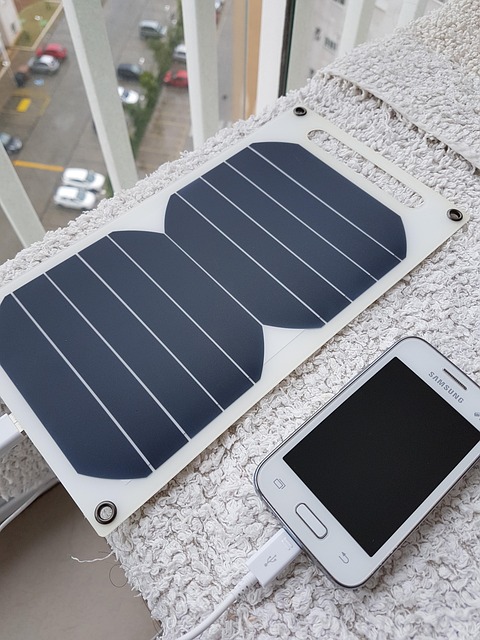
Making the switch to solar power offers homeowners more than just a reduction in energy bills; it’s an investment in a sustainable future. While upfront costs can be a barrier, exploring solar incentives is crucial for understanding the long-term advantages this technology provides. Solar incentives have evolved to encourage widespread adoption, making solar power an increasingly attractive option for property owners looking to reduce their carbon footprint and enhance their homes’ value.
In recent years, governments worldwide have recognized the potential of renewable energy sources like solar. As a result, various programs offer tax credits, rebates, and grants to offset the initial investment in solar panels. These incentives are designed to encourage homeowners to embrace clean energy, knowing that they can recover a significant portion of their expenses. For instance, in many regions, borrowers who finance their solar installations through qualified loans can deduct the interest from their taxable income, effectively reducing the overall cost. This not only makes solar more accessible but also positions it as a smart financial move for homeowners looking to future-proof their investments.
Moreover, the environmental benefits of solar power are substantial. By generating electricity from sunlight, homes equipped with solar panels can substantially decrease their reliance on grid energy, particularly if they pair this technology with energy-efficient appliances and practices. This shift has the collective potential to reduce greenhouse gas emissions, combat climate change, and foster a greener planet. As these incentives continue to evolve and gain traction, homeowners who embrace solar power are not only contributing to a sustainable future but also securing long-term advantages that can positively impact both their pockets and the environment.